
The average NASCAR driver drives around 13,000 miles in a season. The average NASCAR driver also flies an unbelievable amount of miles. Read below to learn more.
The 2024 NASCAR season has been one for the record books, featuring heart-stopping finishes, intense rivalries, and unforgettable races. Powerhouse teams like Hendrick Motorsports and Joe Gibbs Racing have claimed many wins. This success has treated fans to a season filled with drama and excitement.
Each race brings its own thrill. Another fascinating aspect of NASCAR deserves attention. This is the travel logistics involved in transporting teams to each track across the country. Let’s dive into both the season’s highlights and the travel journey of these teams.
Season Overview: Key Events and Shifts
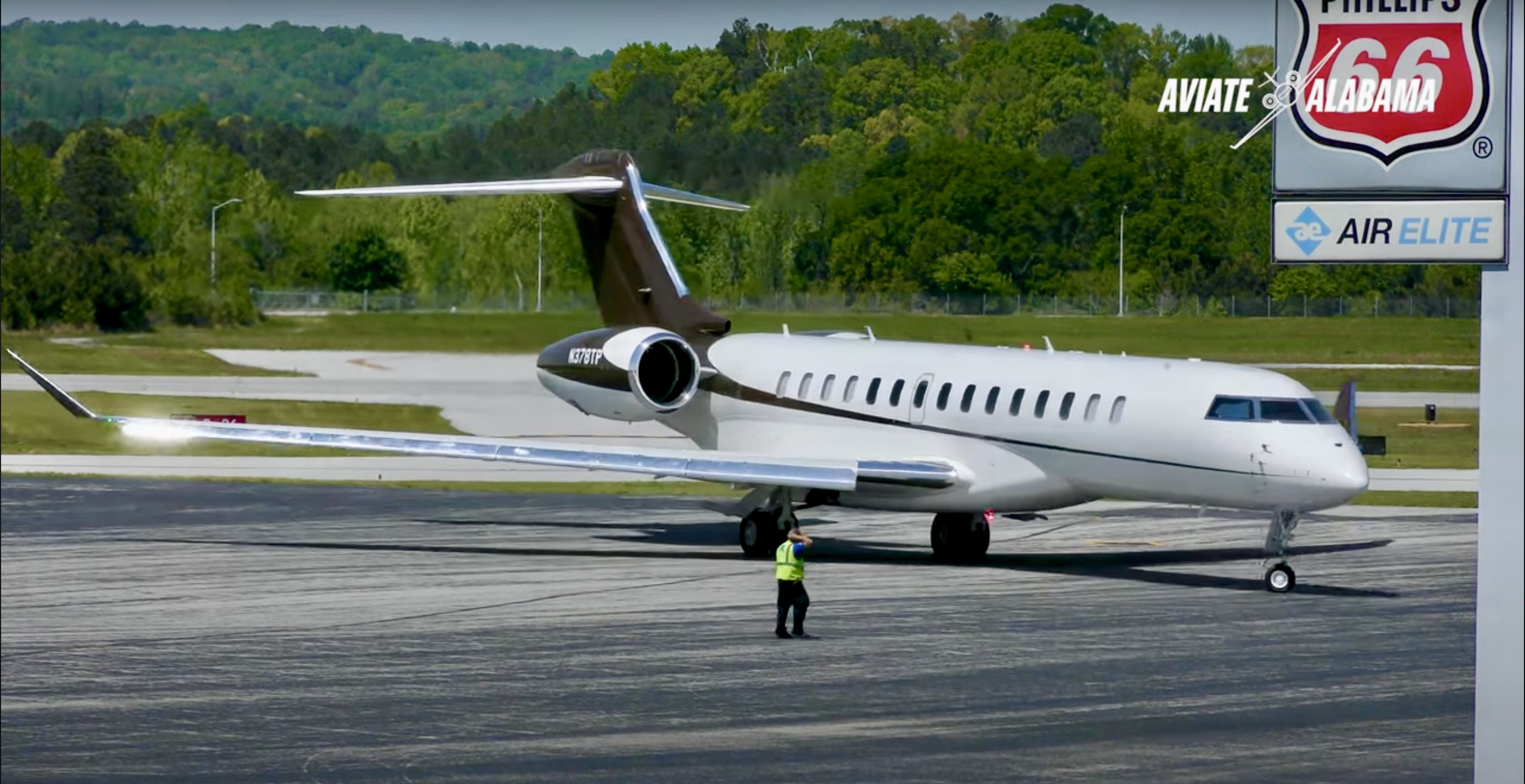
- Exciting Beginnings: The 2024 season kicked off with the Busch Light Clash at the Los Angeles Memorial Coliseum on February 3. This was followed by the legendary Daytona 500 on February 19. This year’s schedule included 36 races. It concluded with the highly anticipated Championship Race at Phoenix Raceway on November 10. Joey Logano of Penske Racing (#N500RP) emerged as the victor.
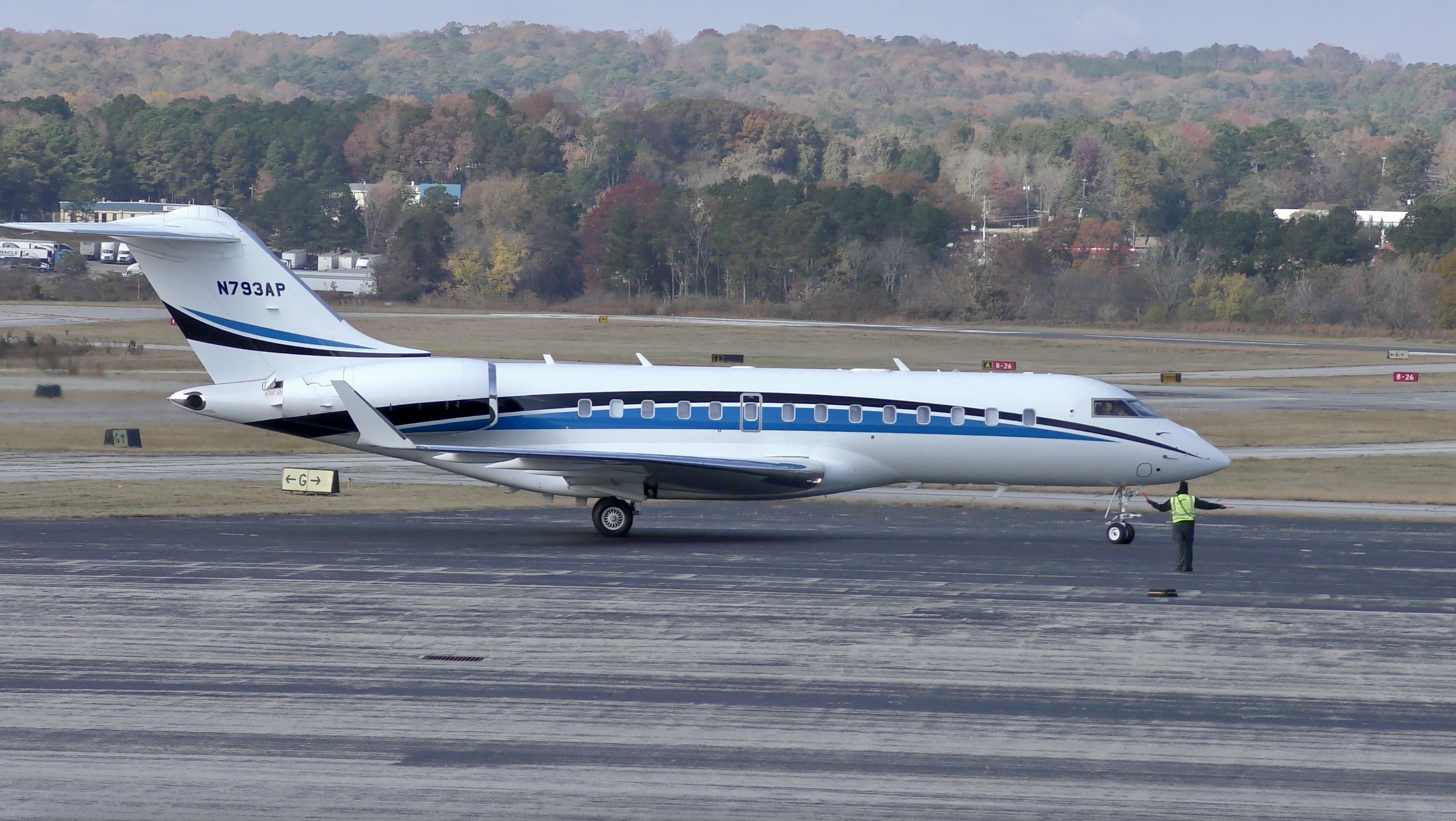
- Kevin Harvick’s Absence: Kevin Harvick retired at the end of 2023. His absence has shifted the dynamics within teams. The field is now more competitive, with new talents vying for the top spots. As far as aviation goes, Harvick routinely relied on the services of Martin Truex Jr.’s charter business MTJ Aviation.
- Missing Airplanes & Aviators: One notable jet and aviator were absent from most of this year’s race weekends. That aviator is none other than Chase Elliott piloting his 2006 CESSNA 525B (#N9CE). There are rumors circulating. People suggest that our YouTube videos of Chase solo piloting his Citation jet have violated terms of his insurance. Another possibility is that Hendrick Motorsports stopped the flights due to health & safety concerns. Regardless, it was disappointing from a plane spotters perspective to say the least.
Close Finishes and Rivalries
The 2024 season produced some of the closest finishes in NASCAR history. At Kansas Speedway, Kyle Larson and Chris Buescher had a record-breaking photo finish, with a margin of just 0.001 seconds. Similarly, Daniel Suárez thrilled fans at Atlanta Motor Speedway with a 0.003-second win, reinforcing the season’s reputation for razor-thin margins and heart-pounding moments.
The Mileage Factor: Calculating Team Travel Distances
Now, let’s take a closer look at the air travel involved. For NASCAR teams, Concord, NC, is the starting point for almost all journeys. From there, teams travel across the U.S. to reach each race track. Here’s a calculation of the total mileage covered by teams when traveling from Concord to each race and back:
Travel Breakdown
Here’s how the distances stack up:
| Race Location | Approx. One-Way Mileage | Round-Trip Mileage |
|---|---|---|
| Los Angeles Coliseum | 2,300 | 4,600 |
| Daytona International | 480 | 960 |
| Kansas Speedway | 960 | 1,920 |
| Atlanta Motor Speedway | 230 | 460 |
| Phoenix Raceway | 2,020 | 4,040 |
| … | … | … |
The cumulative mileage across all 36 races will be calculated and added for a total.
Challenges of NASCAR’s Travel Schedule

Subscribe to continue reading
Subscribe to get access to the rest of this post and other subscriber-only content.