It’s no secret that massive amounts of money are shaping the future of entertainment. But beneath the headline-grabbing mergers and nine-figure production budgets lies a more complex and troubling story. The source of this capital—specifically, the billions flowing from Saudi Arabia’s Public Investment Fund (PIF)—is creating profound and contradictory dilemmas for Hollywood’s biggest creators, executives, and tech titans.
This isn’t just a story about foreign investment. It’s about an entanglement of ambition, technological disruption, and ethically complex financing that has pitted creators against the very forces that could fund their next big project. A new financial power is forging unexpected alliances, creating existential threats, and forcing even the most independent voices into difficult compromises.
Here are four surprising takeaways that reveal how this new landscape is fundamentally reshaping the entertainment industry.
It’s Not Just Business, It’s a Structural Alliance
The partnership between Oracle founder Larry Ellison, his son David Ellison of Skydance Media, and Saudi Arabia is not just a series of deals; it is a deep, strategic alignment that is rewiring the media and tech industries. This is more than a transactional relationship—it’s an entrenchment of capital and influence that is consolidating power at an unprecedented scale.
The key examples of this structural alliance paint a clear picture of their shared ambition:
- The consortium buyout of video game giant Electronic Arts (EA) for a staggering $55 billion, with the Saudi PIF as a lead buyer.
- The complex U.S. consortium deal to acquire TikTok, a partnership involving Oracle, Silver Lake, and significant Saudi and Abu Dhabi interests.
- David Ellison’s Skydance Media consolidating control at Paramount, a move backed by a formidable infusion of Saudi capital that positions the family at the center of Hollywood’s merger landscape.
This alliance is a vehicle for Saudi Arabia to gain top-tier U.S. know-how in AI, media, and entertainment. Industry analysis frames this partnership as a new phase of globalization, one driven not by open markets but by powerful “regional power blocks” that merge technology, media, and state-backed capital into a single, formidable force. This formidable alliance is building a future of consolidated, AI-driven media—a future that one of Hollywood’s most successful independent voices sees as an existential threat.
One Creator’s Nightmare is Another’s Business Plan, Funded by the Same Source

Tyler Perry stands as a symbol of independent, entrepreneurial success. He built his own 330-acre studio in Atlanta from the ground up to empower underrepresented voices and maintain full ownership of his creative and financial destiny. Recently, however, Perry has publicly voiced a grave fear: that Artificial Intelligence will devalue human creativity, eliminate jobs for writers and artists, and allow tech-backed conglomerates to steamroll independent storytellers.
The central irony is that David Ellison and his Saudi partners are at the forefront of the very movement Perry warns against. They are aggressively pushing for the AI-driven efficiencies and large-scale industry consolidation that threaten to make independent studios obsolete. This push for consolidation is underwritten by the same Saudi Public Investment Fund whose stated goal is to use its immense capital to “build influence” and “gain know-how,” effectively funding both the tools of disruption and the potential disruption itself. Their investment strategy appears to be driven by more than just financial returns, creating a different set of rules that smaller players can’t compete with.
“profitability is not necessarily the first priority of the cash-rich Saudis,” who appear eager to use investments to build influence, gain know-how, and “build out their own capacity for movie making.”
For Perry, the threat is existential. The forces capable of funding Hollywood’s future are the same ones underwriting the technology that could make his entire business model redundant.
Some Stars are Drawing a Line in the Sand
As Saudi capital floods the entertainment world, a backlash over “culture-washing”—using high-profile events and investments to improve Saudi Arabia’s global image and distract from its human rights record—has become impossible to ignore. The 2022 murder of journalist Jamal Khashoggi remains a stark reminder of the ethical conflicts at play.
The 2025 Riyadh Comedy Festival became a flashpoint for this controversy. Promoted as the world’s largest, the festival featured major American stars like Kevin Hart and Dave Chappelle. In a move critics blasted as a tone-deaf attempt at whitewashing, the event coincided with the anniversary of Khashoggi’s assassination. Other prominent comedians publicly refused to participate, with Marc Maron and David Cross, among others, calling out their peers and stating they took a “principled stand” by refusing large financial offers to perform for a regime that restricts free speech and imprisons dissidents.
The situation was intensified by allegations that participating comedians had contracts prohibiting any jokes critical of the Saudi royal family. This clash between lucrative paydays and the principle of free expression highlighted the stark compromises some artists are willing to make, while others are drawing a firm line in the sand.
The Most Surprising Twist May Be a Private Jet Itinerary
This brings us back to Tyler Perry’s profound dilemma. As a fiercely independent creator, how does he expand his empire—or even ensure its survival—in an industry increasingly dominated by the Ellison-Saudi axis and their AI-powered vision for content creation? The need for capital and strategic partnerships can lead even the most self-sufficient figures to consider unthinkable options.
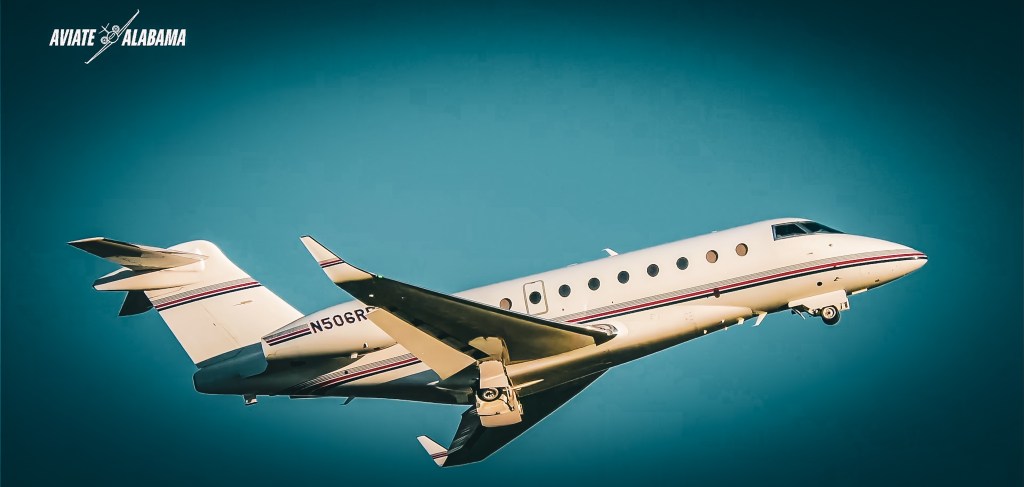
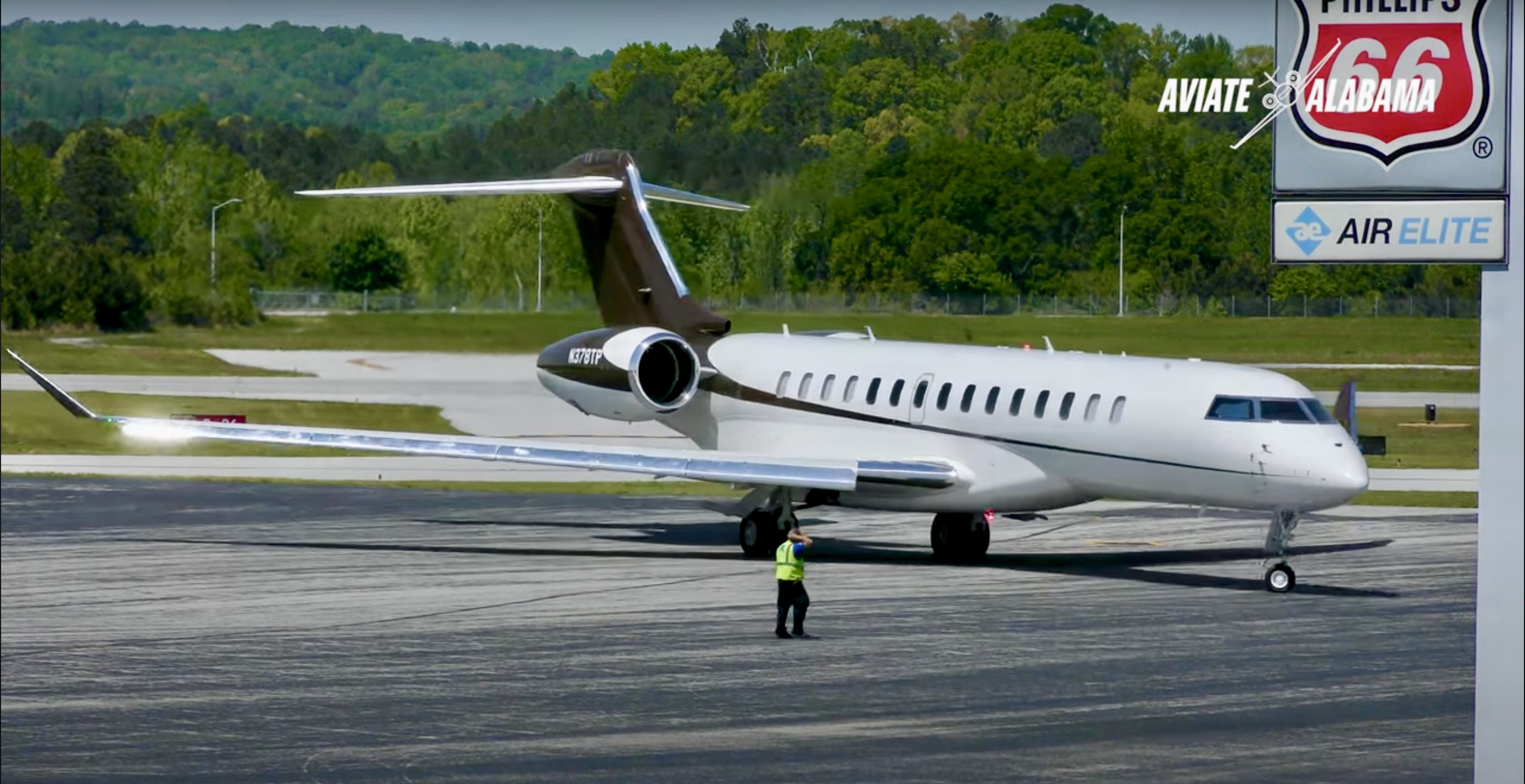
The ultimate symbol of this conflict may not be found in a press release or a studio deal, but in a flight log. According to a review of travel itineraries by Aviate Alabama for Perry’s Bombardier 7500 private jet, a notable trip was documented: a flight departing Atlanta for Jebel Ali, a major port city in the United Arab Emirates near the global business hub of Dubai, on October 16th at 2 PM and departing on October 18th at 4:37 UTC.
While the purpose of the trip is unknown, the itinerary itself speaks volumes. It stands as a powerful symbol of the difficult, and perhaps necessary, compromises creators face when navigating today’s globalized entertainment landscape. The very creator who fears the industry’s consolidation may find himself in dialogue with the global financial powers driving it.
Can Hollywood Have It Both Ways?
The entanglement of Hollywood ambition, transformative technology, and ethically complex Saudi capital has created a landscape of contradictions. Independent creators warn of dangers funded by the same sources they may need to survive. Comedians who champion free speech perform under restrictive contracts. A new alliance of tech and oil money is simultaneously building and threatening the future of storytelling.
As the lines between creator, competitor, and financier blur, a central question emerges: Can the soul of an industry be preserved when its survival is funded by the same source that powers its potential destruction?


Leave a Reply