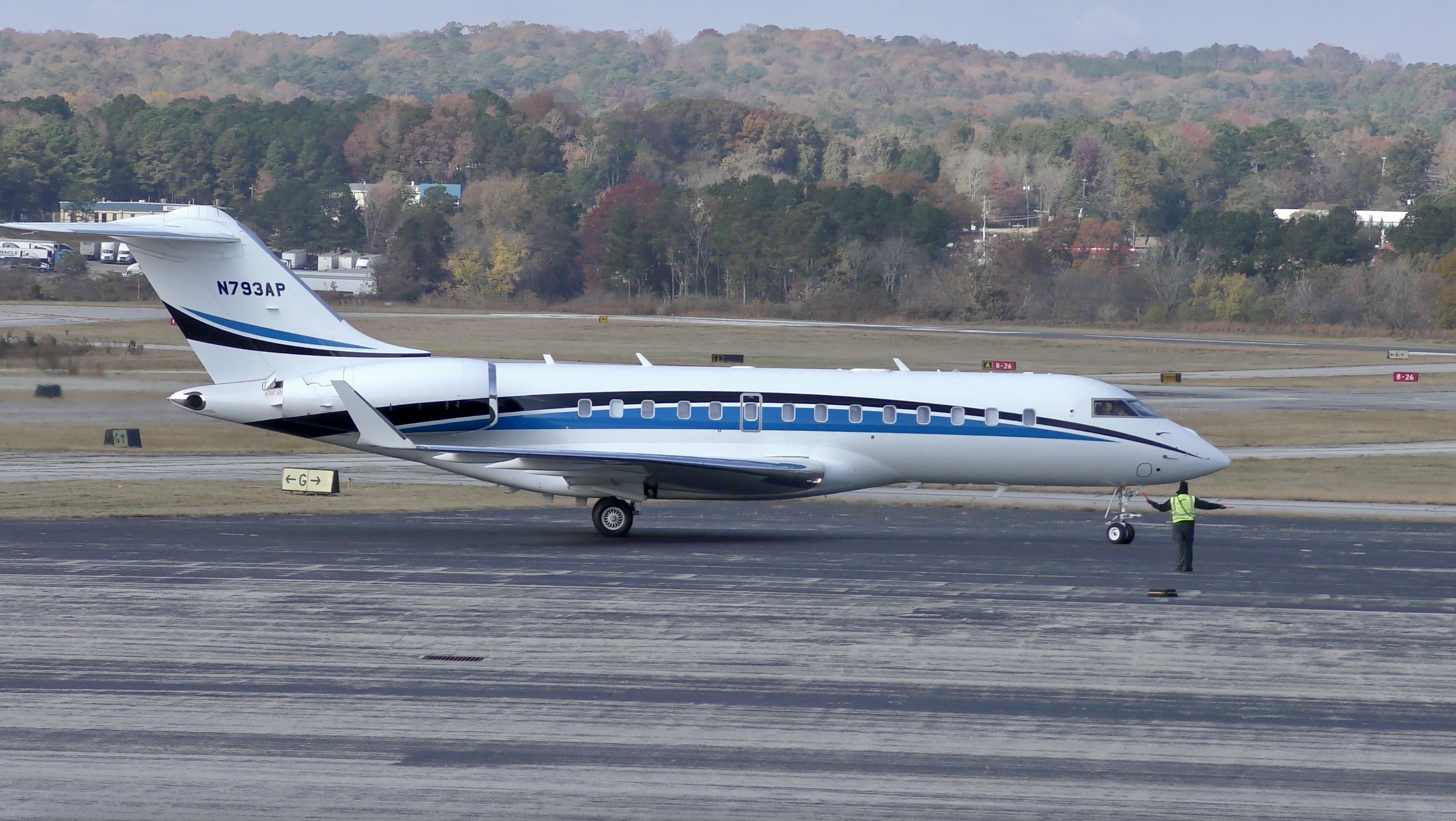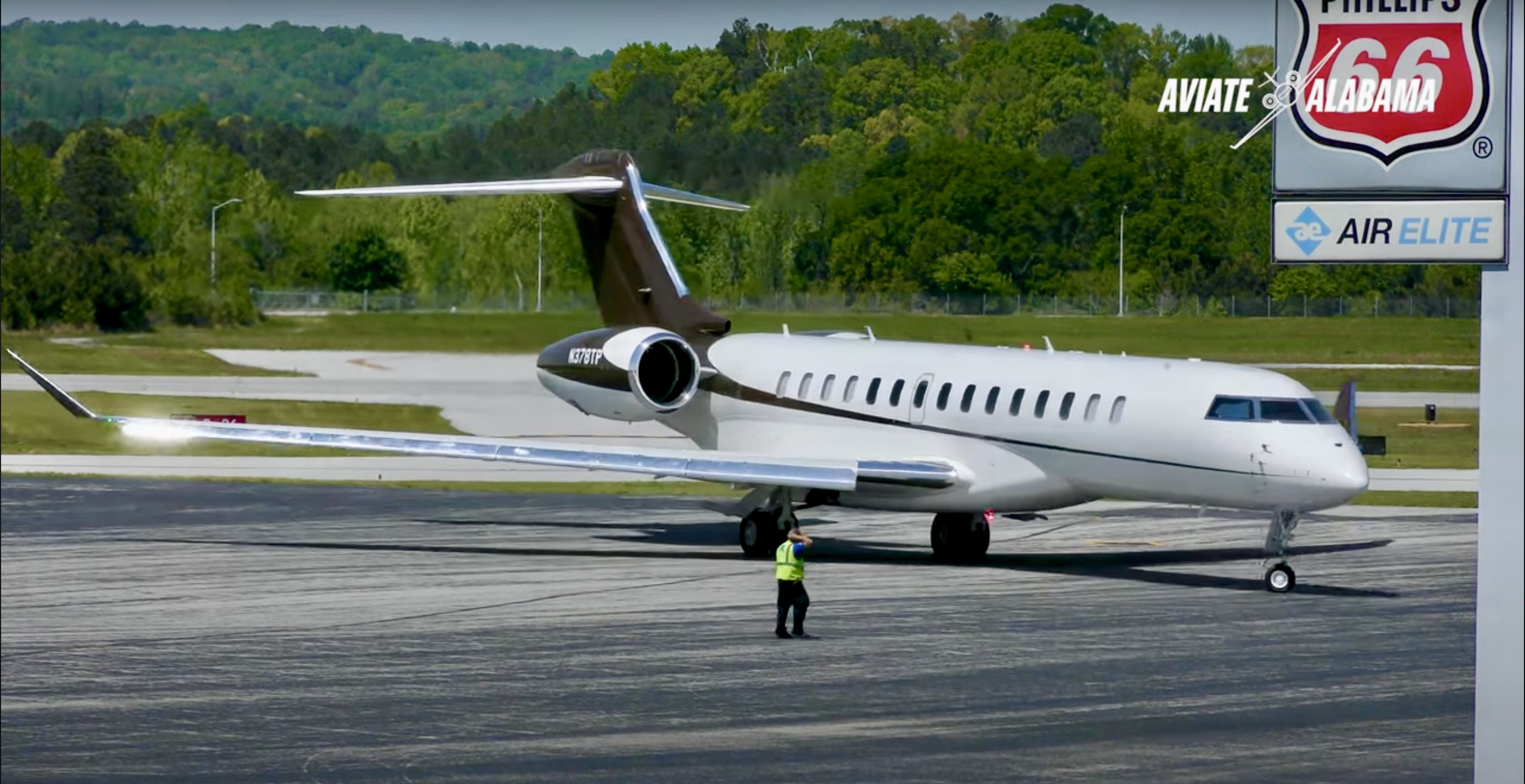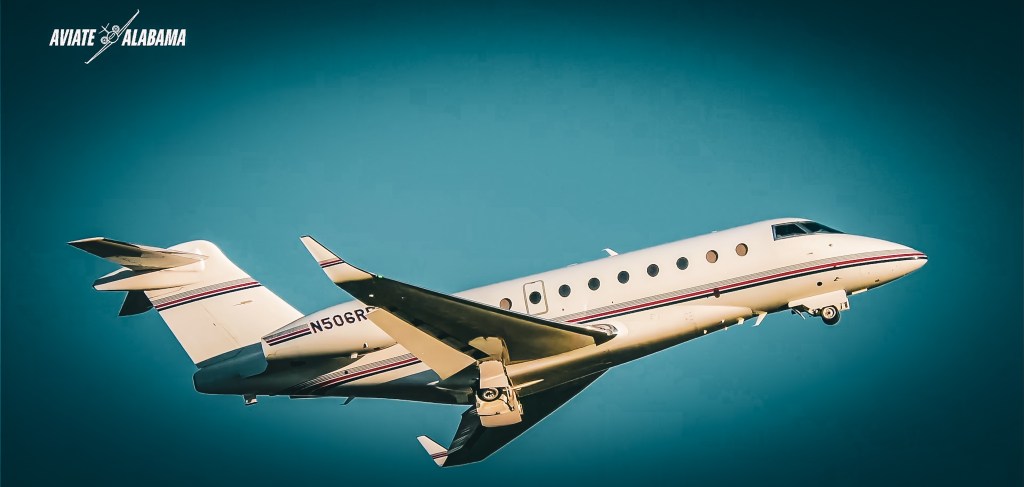

Owning a private jet offers convenience, privacy, and access. It also allows one to showcase their personality. When purchasing a new aircraft, an owner gets the opportunity to personalize their aircraft’s livery. Aircraft livery consists of the aircraft color, graphic and other identifiers applied to the external of the aircraft.

Yet, livery does more than provide a pallet for one to express themselves or their brand. It plays a critical component in maintaining the airworthiness of the aircraft. A poor paint job can lead to corrosion which can be a major headache for an aircraft owner/operator.
Complexity of Painting an Airplane
The complexity of the job is determined by the size of the airframe, the number of colors chosen, and the scheme for the paint. You may be interested to learn that there are not nearly as many choices in paint quality for an aircraft as there are for say the interior of your home.
Many factors come into play in determining the quality of an aircraft paint job. A few important determinants are the quality of the paint booth build and the company’s ability to control external environmental factors specifically the humidity. Not only should you be concerned about the quality of the paint booth your aircraft will be worked on in is the longevity of the company performing the job.

#N1UA
Composite surfaces, such as those on the Citation XLS with its composite flaps and engine cowlings, require a specialized approach. The process involves stripping down to bare metal, applying a chemical prep and corrosion barrier, followed by primer and paint.
Paint jobs demand significant time, typically a minimum of two weeks, with larger aircraft like Gulfstreams potentially taking three to four weeks. Because of this most jobs are typically done every 4 years or during a scheduled C or D-check. Most operators will alternate between a full paint job and a scuff sand job. However, it is important that an airplane never carry more than two layers of paint as this will lead to operating efficiency declines and make inspections more difficult particularly on older aircraft.
How Much It Costs To Paint a Private Jet
Pricing for painting an aircraft can vary widely, from $100,000 for a Cessna 525 to $250,000 for a Gulfstream. These costs include labor, stripper, paint, primer, masking materials, various disposables and then the proper disposal of the consumables.


Most companies will require 50% down prior to the commencement of services with the balance due upon completion. Failure to pay the balance may result in a mechanics lien being placed against the aircraft similar to what would happen if you did not pay for auto repairs.