
Introduction
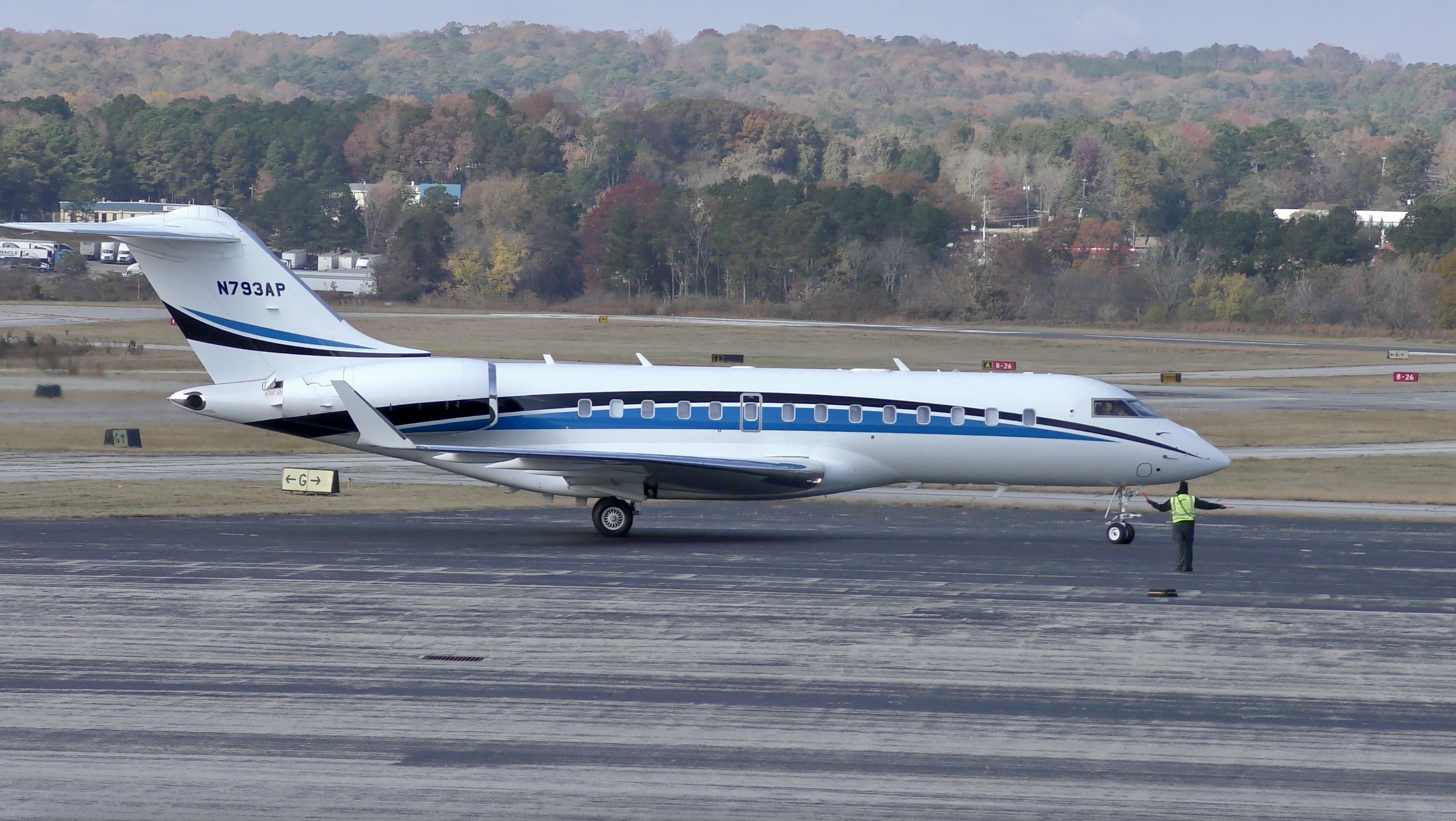
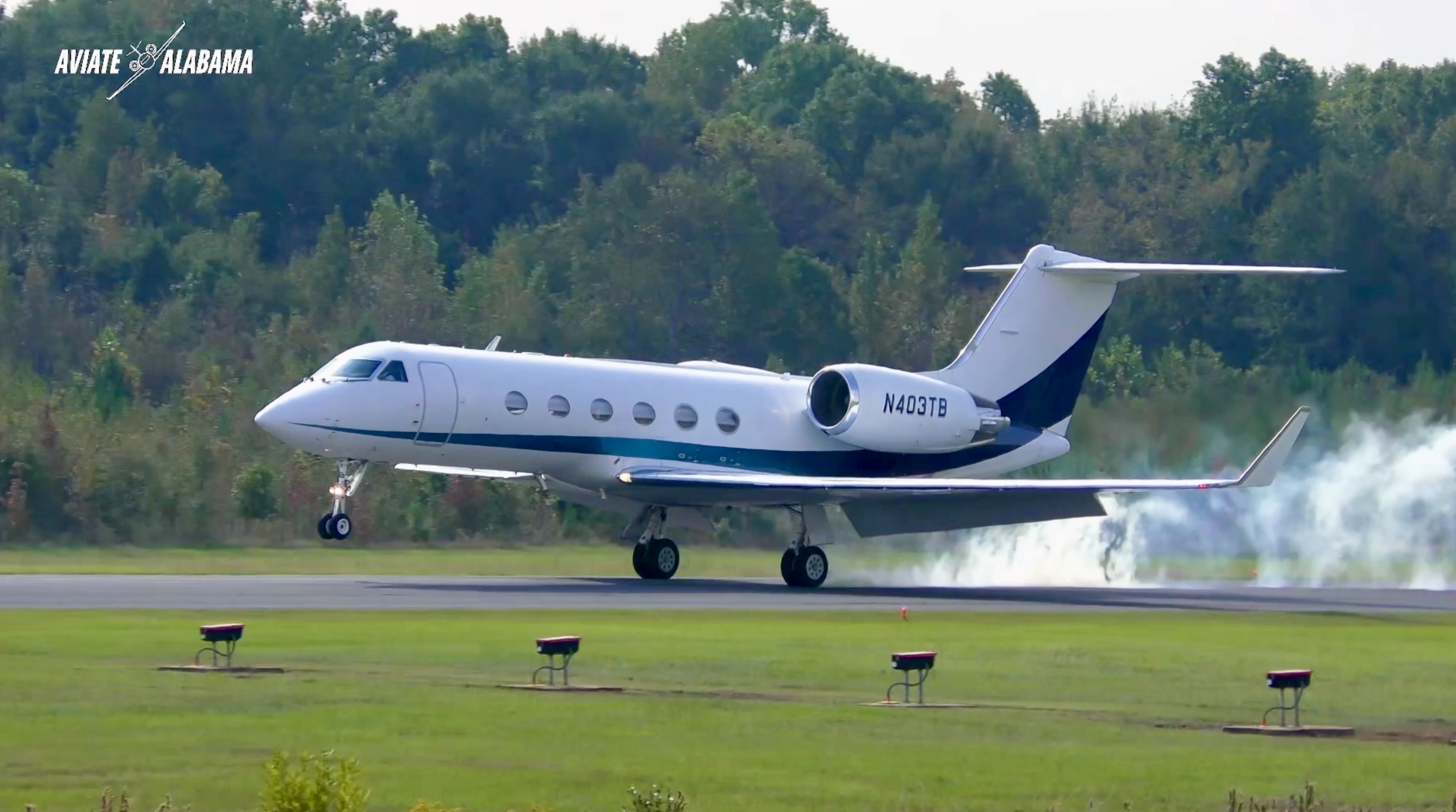
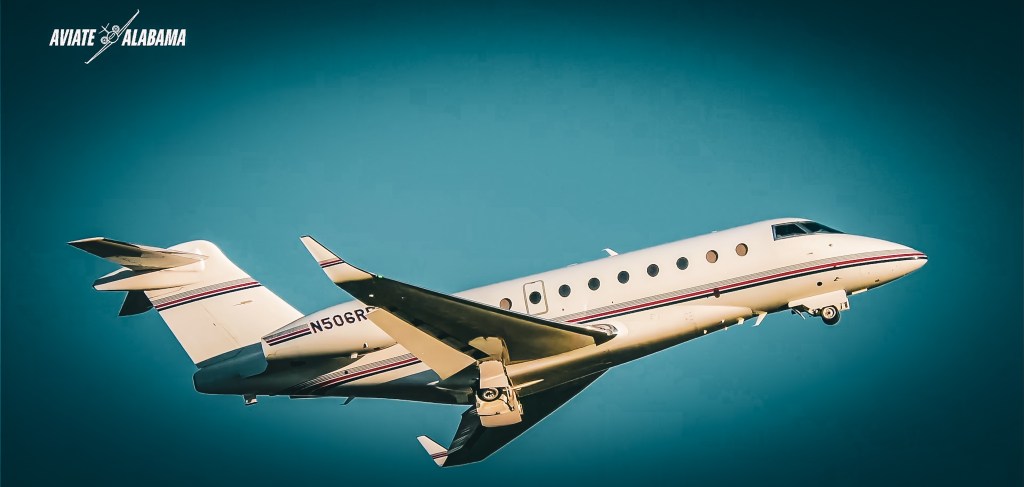
Private jets have long been a symbol of luxury and convenience, representing an elevated travel experience tailored to meet the needs of high-net-worth individuals and corporate executives. For the state of Alabama, private jets are not only a marker of personal luxury but also a significant part of the local economy, particularly within the aerospace sector, tourism, and corporate infrastructure. In this article, we will explore the intersection of private jet travel with Alabama’s economy, culture, and industries. We’ll also look at how Alabama’s growing infrastructure caters to private jet owners and travelers and the implications of this market on the state’s development.
1. The Rise of Private Jet Travel in Alabama
1.1 Growth of the Global Private Jet Industry
In recent years, the global private jet industry has experienced rapid growth. According to data from industry experts, private jet ownership and usage surged during the COVID-19 pandemic due to the increased demand for safer, more private travel options. As commercial airlines faced significant operational challenges, including route reductions and limited flight availability, affluent individuals and companies turned to private jet charters and purchases.
1.2 The Role of Private Jets in Alabama
Alabama, often overlooked in discussions about private aviation, is home to a number of industries that drive the demand for private jets. The state is seeing a rise in private jet activity as its industries expand, including aerospace, automotive manufacturing, healthcare, and tourism. From corporate executives visiting factory sites to tourists seeking luxurious hunting lodges or coastal getaways, Alabama’s airspace is buzzing with private jets.
In addition to leisure and business travel, Alabama’s private jets play a critical role in connecting local businesses to national and international markets. Alabama’s geographical location, bridging the Southeast to major hubs like Atlanta, Houston, and Miami, has made private jets a preferred mode of transport for business leaders seeking flexibility and efficiency in their travel plans.
1.3 Post-COVID Private Jet Market in Alabama
The post-pandemic era has also influenced the nature of private aviation in Alabama. The pandemic accelerated the shift toward private jet travel as a safer, more reliable alternative to commercial flights. Whether it is corporate executives visiting automotive plants in Huntsville or wealthy individuals escaping to Gulf Coast resorts, private jet travel has become integral to Alabama’s transportation landscape.
2. Alabama’s Private Jet Infrastructure
2.1 Regional Airports and FBOs (Fixed Base Operators)
Alabama’s private jet infrastructure revolves around several key airports and Fixed Base Operators (FBOs). These facilities serve as private aviation hubs, offering a wide range of services including refueling, hangaring, maintenance, and VIP lounges for private jet owners and passengers.
Key Airports Supporting Private Jets in Alabama:
- Birmingham-Shuttlesworth International Airport (BHM): Alabama’s largest airport, BHM handles a significant volume of private jet traffic. The airport has multiple FBOs catering to private jet passengers and operators, including Signature Flight Support and Atlantic Aviation.
- Huntsville International Airport (HSV): Known for its connection to Alabama’s aerospace and defense industries, HSV is a crucial hub for corporate jet travel. Private jets frequently serve companies like Boeing and Lockheed Martin, which have major presences in the area.
- Mobile Regional Airport (MOB): Serving the Gulf Coast, Mobile Regional is a key gateway for private jets flying in from other parts of the country. Its proximity to both industry and tourism destinations makes it a busy private jet hub.
- Montgomery Regional Airport (MGM): Montgomery is the state capital and a popular destination for corporate travelers. MGM’s FBOs offer private jet services that accommodate VIP guests and executives attending government or corporate functions.
2.2 Upgrades to Private Jet Facilities
Several of Alabama’s regional airports have made substantial investments in upgrading facilities for private jets. For instance, Birmingham-Shuttlesworth International recently completed expansions to its private jet terminals, offering upgraded lounges, enhanced security, and expanded hangar spaces. These improvements reflect the growing importance of private jets to Alabama’s business and tourism sectors.
3. Alabama’s Aerospace Industry and Private Jets
3.1 Alabama as a Hub for Aerospace Manufacturing
Alabama has cemented its reputation as a key player in the aerospace industry. The state’s aerospace sector is not only a significant contributor to its economy but also a major driver of private jet activity. Companies like Airbus, Boeing, and Lockheed Martin all have large operations in Alabama, particularly in Huntsville and Mobile.
Aerospace Companies in Alabama:
- Airbus: The European aerospace giant has a significant presence in Mobile, where it operates an assembly line for the Airbus A320 family of aircraft. Executives and engineers frequently use private jets for commuting between European headquarters and Mobile’s facilities.
- Boeing: With facilities in Huntsville, Boeing is another major player that contributes to Alabama’s private aviation sector. Business jets regularly transport executives and engineers to and from Boeing’s operations in the state.
- Lockheed Martin: Lockheed Martin’s operations in Huntsville contribute to private jet travel as the company’s leadership and specialists often travel to Alabama to oversee defense contracts and projects.
3.2 The Impact of Aerospace on Private Aviation in Alabama
The growth of Alabama’s aerospace industry has had a direct impact on the state’s private jet sector. Not only does the industry generate executive travel, but it also leads to greater demand for charter services, as high-ranking officials, engineers, and clients visit Alabama’s aerospace hubs. Additionally, Alabama’s skilled workforce and thriving aerospace ecosystem are attracting more international business, further fueling private jet usage in the state.
4. Tourism and Luxury Travel: How Private Jets Fuel Alabama’s Economy
4.1 The Role of Private Jets in Alabama’s Tourism Sector
Tourism in Alabama has long been a staple of the state’s economy. From the pristine beaches of the Gulf Coast to the historic landmarks in Montgomery and Birmingham, Alabama draws millions of visitors every year. Private jets play a significant role in Alabama’s tourism industry by offering a luxurious and convenient mode of transportation for affluent travelers.
Popular Private Jet Destinations in Alabama:
- Gulf Shores and Orange Beach: Alabama’s Gulf Coast is a favorite destination for tourists seeking sun, sand, and relaxation. Private jet travelers frequently fly into Gulf Shores International Airport, which offers FBO services catering to luxury travelers.
- Lake Martin: Known for its upscale lakefront properties and luxury retreats, Lake Martin attracts wealthy visitors from across the Southeast. Private jets frequently fly into Auburn University Regional Airport, just a short drive away.
- Hunting Lodges: Alabama’s rich hunting traditions and abundant wildlife have led to the development of exclusive hunting lodges and preserves. Wealthy sportsmen often charter private jets to rural airstrips near these lodges for weekend getaways.
4.2 High-Profile Events and Private Jets
In addition to its natural beauty, Alabama hosts a number of high-profile events that draw private jet travelers. Major sporting events, such as the University of Alabama football games in Tuscaloosa, attract wealthy alumni and boosters who often travel by private jet to attend games. The Robert Trent Jones Golf Trail, a network of championship golf courses across the state, also attracts affluent golfers from around the country.
5. Corporate Aviation in Alabama
5.1 Business Travel and Corporate Jets
Corporate jet travel is an essential part of Alabama’s private aviation sector. The state’s diverse industries, including automotive manufacturing, defense, and healthcare, generate a steady flow of business executives traveling to and from Alabama. The flexibility and convenience offered by private jets make them an ideal mode of transport for time-sensitive business trips.
Key Industries Driving Corporate Jet Travel in Alabama:
- Automotive Manufacturing: Alabama is home to major automotive plants for companies like Mercedes-Benz, Hyundai, and Honda. Executives and engineers from these companies frequently use private jets to travel between Alabama and other production hubs.
- Healthcare: Alabama’s healthcare sector is another key driver of private jet travel. Executives from major hospital systems and pharmaceutical companies often rely on private jets to visit hospitals and facilities across the state.
- Defense Contracting: Huntsville, known as “Rocket City,” is a major center for defense contracting. Corporate jets are a common sight at Huntsville International Airport, where they transport executives and government officials involved in defense projects.
5.2 Corporate Aviation Services in Alabama
FBOs across Alabama provide specialized services tailored to corporate jet travelers. These include concierge services, conference rooms, and ground transportation arrangements to ensure a seamless travel experience for business travelers. Airports like Birmingham-Shuttlesworth International and Huntsville International have invested in state-of-the-art facilities to attract corporate jet traffic.
6. Environmental and Regulatory Considerations for Private Jets in Alabama
6.1 Environmental Impact of Private Jets
Like other states, Alabama faces growing concerns about the environmental impact of private jet travel. Private jets contribute to higher per-passenger emissions compared to commercial flights, leading to increased scrutiny from environmental groups. Alabama’s environmental agencies are starting to consider more stringent regulations to mitigate the carbon footprint of private aviation.
6.2 Regulatory Framework for Private Jets in Alabama
The Federal Aviation Administration (FAA) regulates all air traffic in the United States, including private jets operating in Alabama. In addition to federal regulations, private jet operators in Alabama must comply with state and local aviation laws. These regulations cover areas such as noise pollution, airspace restrictions, and safety protocols.
Alabama has also been investing in green aviation initiatives to address the environmental concerns associated with private jets. Some FBOs have introduced sustainable aviation fuel (SAF) options, and airports are looking into ways to reduce their carbon footprint through energy-efficient facilities.
7. The Future of Private Aviation in Alabama
7.1 Projected Growth of Private Jet Travel
The future of
private jet travel in Alabama looks promising. With continued growth in industries like aerospace, defense, and tourism, the demand for private jets is expected to increase in the coming years. The expansion of Alabama’s airports and private jet facilities will further enhance the state’s ability to accommodate this growth.
7.2 Advancements in Aviation Technology
Technological advancements are also poised to shape the future of private aviation in Alabama. From more fuel-efficient aircraft to innovations in electric and hybrid aviation, Alabama’s private jet sector will likely see significant technological shifts in the coming decade. Aerospace companies in Huntsville and Mobile are already working on projects that could revolutionize the way private jets operate, making them more sustainable and efficient.
Conclusion
Private jets have become an integral part of Alabama’s transportation infrastructure, playing a critical role in the state’s industries and economy. Whether it’s executives from aerospace companies flying in and out of Huntsville or affluent tourists visiting the Gulf Coast, private aviation is essential to Alabama’s growth and success. As the state continues to expand its industries and attract new business, the role of private jets in Alabama will only increase, making it a key player in the nation’s private aviation market. At the same time, challenges such as environmental impact and regulatory oversight will need to be addressed to ensure sustainable growth in the private jet sector.
Alabama’s strategic location, diverse industries, and burgeoning tourism sector ensure that private jets will remain a fixture in the state for years to come, contributing to its ongoing economic and cultural development.