



Southern Company Overview
Southern Company is one of the largest producers of electricity in the United States and the largest wholesale provider in the Southeast. Headquartered in Atlanta, it delivers energy to approximately 9 million customers across the Southeast and beyond, operating through electric and natural gas subsidiaries in multiple states. The company is recognized for its focus on clean, safe, reliable, and affordable energy, and is a leader in energy innovation, including the integration of new technologies and sustainable practices.

Southern Company’s Aircraft Fleet
Fleet Composition:
- Drones (Unmanned Aircraft Systems, UAS): Over 200 drones, representing about half a dozen makes and models, are deployed throughout the company’s operations.
- Helicopters: Two helicopters are part of the fleet, used for tasks requiring manned aerial support.
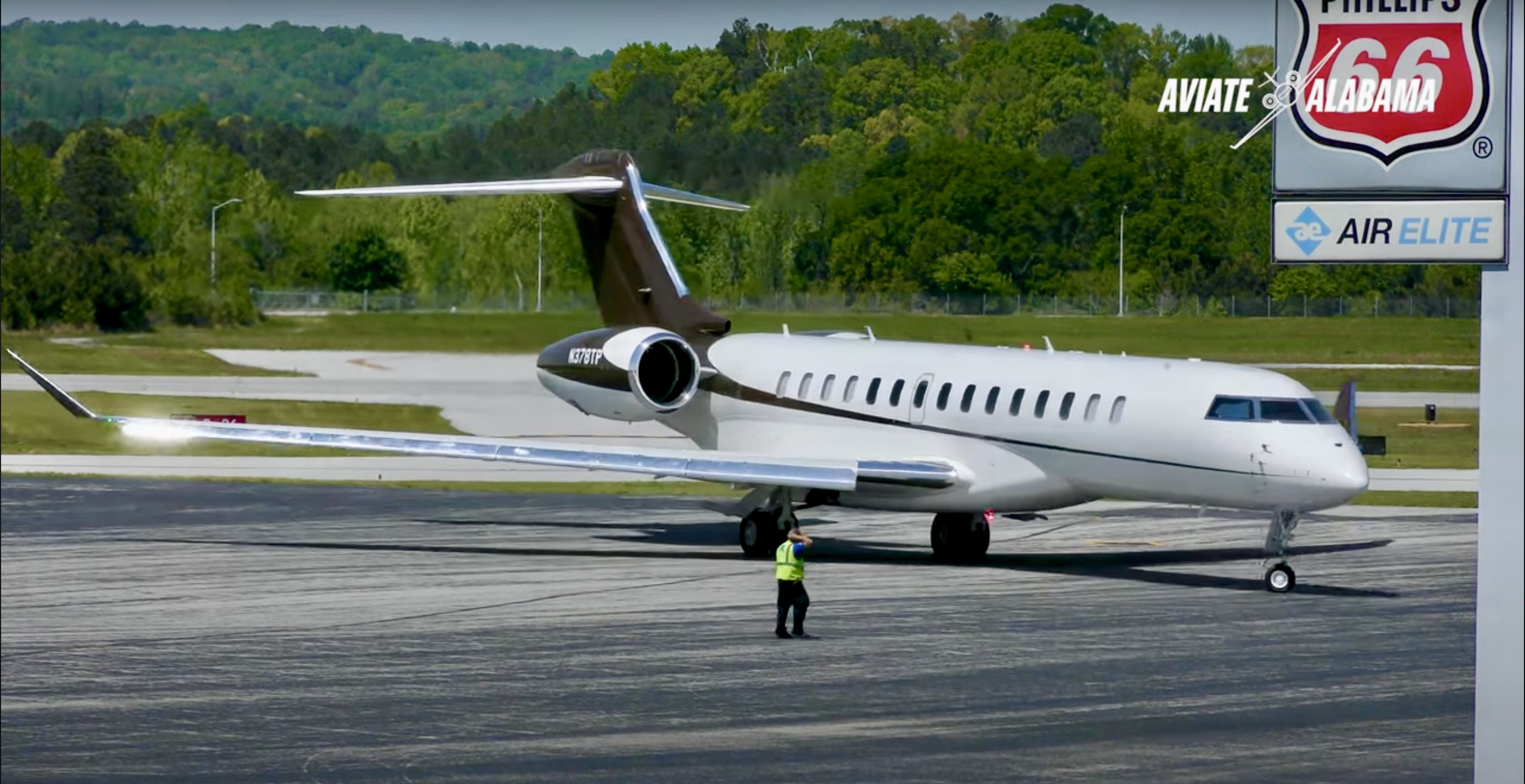
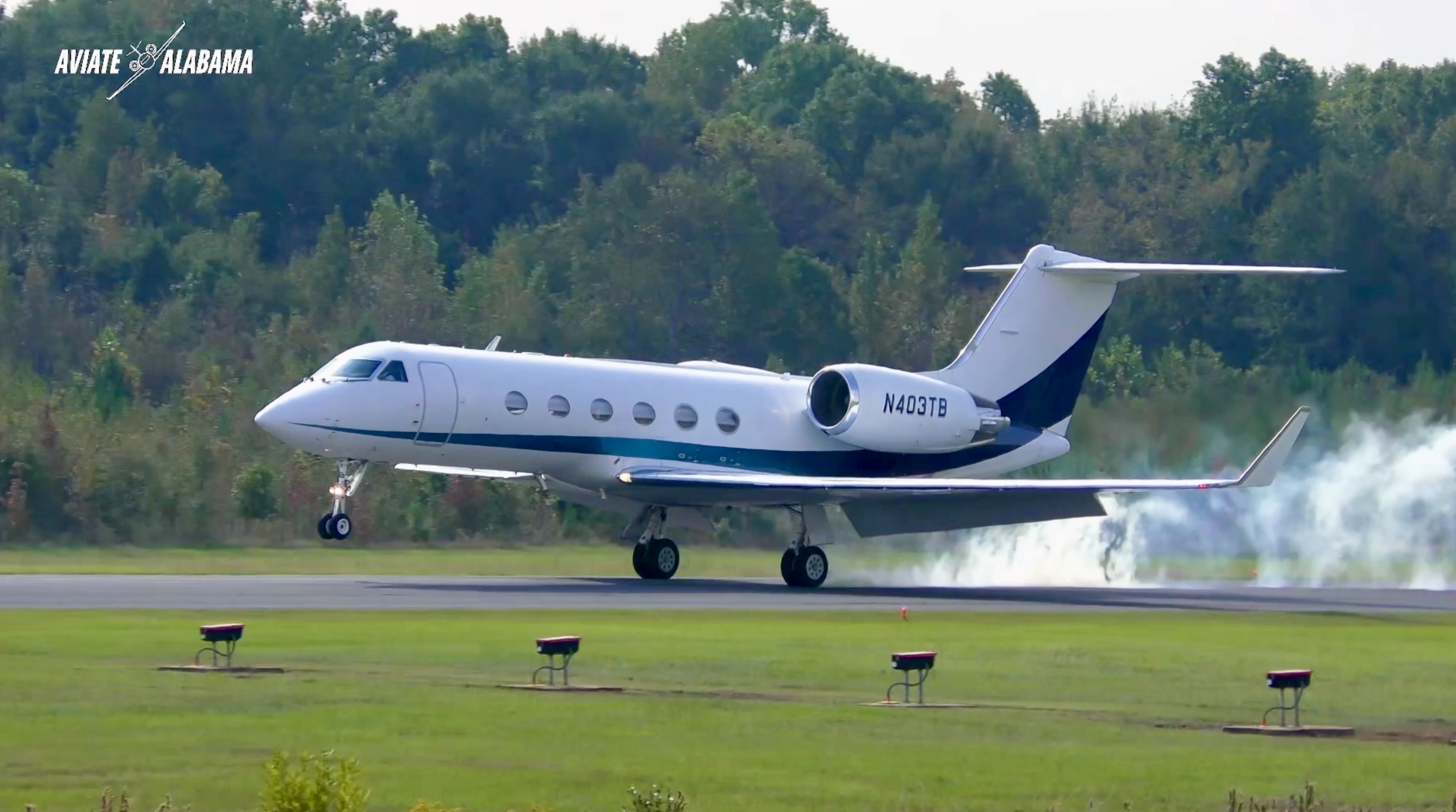
- Fixed-Wing Aircraft: The company also operates traditional fixed-wing airplanes, supporting longer-range missions and executive travel needs3.
- Personnel: The Aerial Services division includes 48 aviation professionals, with nine full-time UAS pilots, two program managers, and about 190 certified UAS pilots among technical staff (such as linemen and engineers).
Base of Operations: The aviation team is headquartered at Atlanta’s DeKalb-Peachtree Airport (PDK).
Why Southern Company Needs an Aircraft Fleet
1. Infrastructure Inspection and Maintenance
- Drones and manned aircraft are used for routine inspections of power lines, substations, pipelines, and generation facilities. This helps detect potential equipment failures before they cause outages, improving grid reliability and safety.
- The ability to conduct inspections from the air, especially with drones, means workers do not have to climb poles or towers, significantly reducing workplace hazards.
2. Storm Damage Assessment and Emergency Response
- After severe weather events, drones and helicopters can quickly survey damage, enabling faster and more accurate assessments. This accelerates power restoration efforts and minimizes downtime for customers.
- Drones have been instrumental in disaster recovery, such as after hurricanes, where they helped restore power ahead of schedule by efficiently mapping damage and guiding repair crews.
3. Efficiency, Cost Savings, and Data Collection
- Aerial inspections replace or supplement traditional methods (e.g., ground crews, helicopters), reducing operational costs and time spent on routine or emergency tasks.
- Drones generate high-resolution imagery and data, supporting proactive maintenance and infrastructure planning.
4. Regulatory Innovation and Industry Leadership
- Southern Company was among the first U.S. utilities to receive FAA approval for drone operations and has pioneered the use of drones beyond visual line of sight (BVLOS), expanding their operational reach and efficiency.
- The company’s regulatory achievements, such as securing a Part 91 exemption for BVLOS drone flights, set a precedent for the energy sector and enable large-scale, remote inspections without needing an observer on-site.
5. Environmental and Community Benefits
- Drones operate quietly and with minimal disruption compared to helicopters or large ground crews, reducing environmental impact and community disturbance during inspections and repairs.
Summary Table: Southern Company Aircraft Fleet
| Aircraft Type | Quantity/Details | Primary Uses |
|---|---|---|
| Drones (UAS) | 200+ (various models) | Inspections, storm response, mapping, security |
| Helicopters | 2 | Inspections, emergency response, transport |
| Fixed-Wing Aircraft | Not specified | Long-range missions, executive travel |
Conclusion
Southern Company’s diverse aircraft fleet—comprising drones, helicopters, and fixed-wing planes—is integral to its mission of delivering reliable energy safely and efficiently. These aerial assets enhance infrastructure monitoring, enable rapid storm response, improve safety for field teams, and support the company’s leadership in technological and regulatory innovation within the energy sector.



Leave a Reply