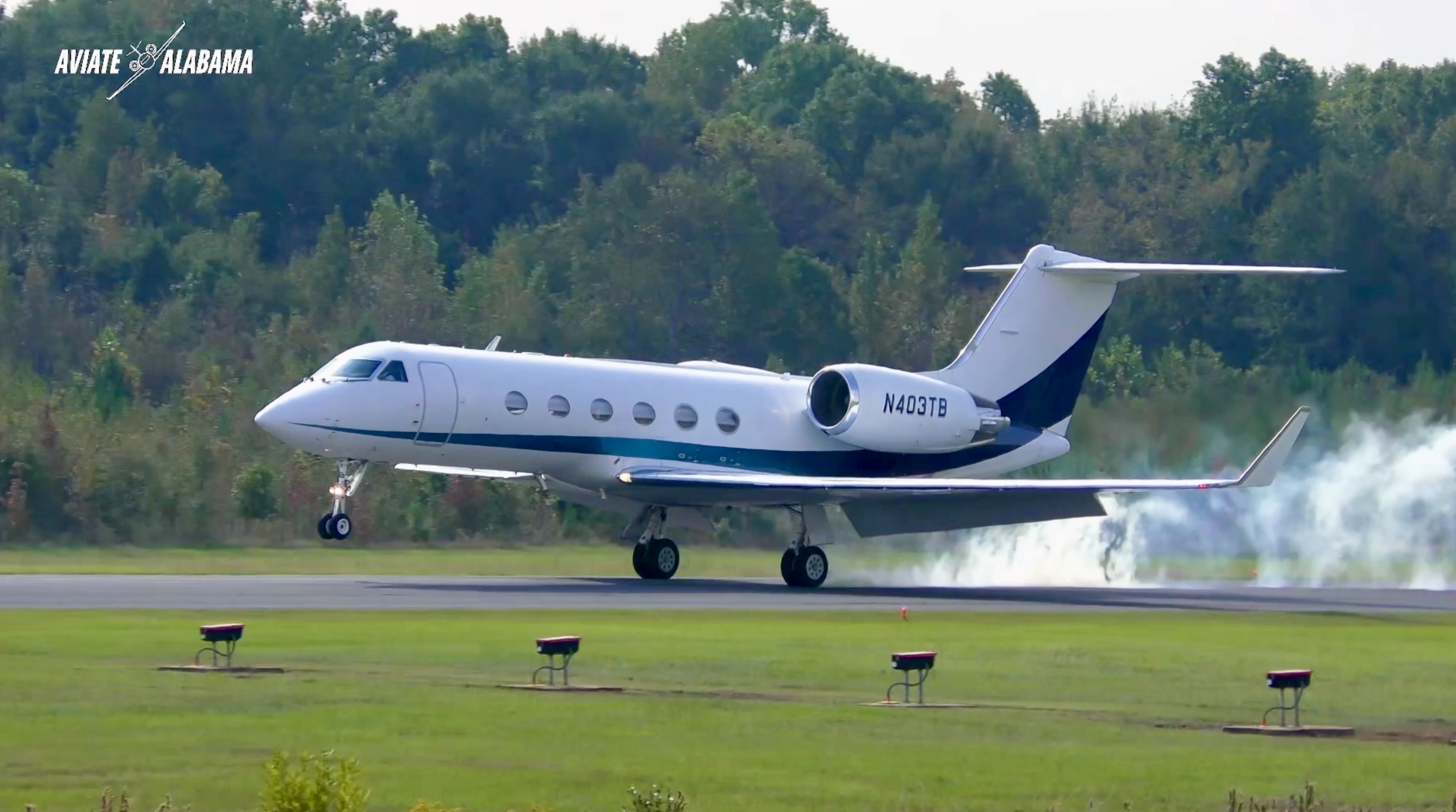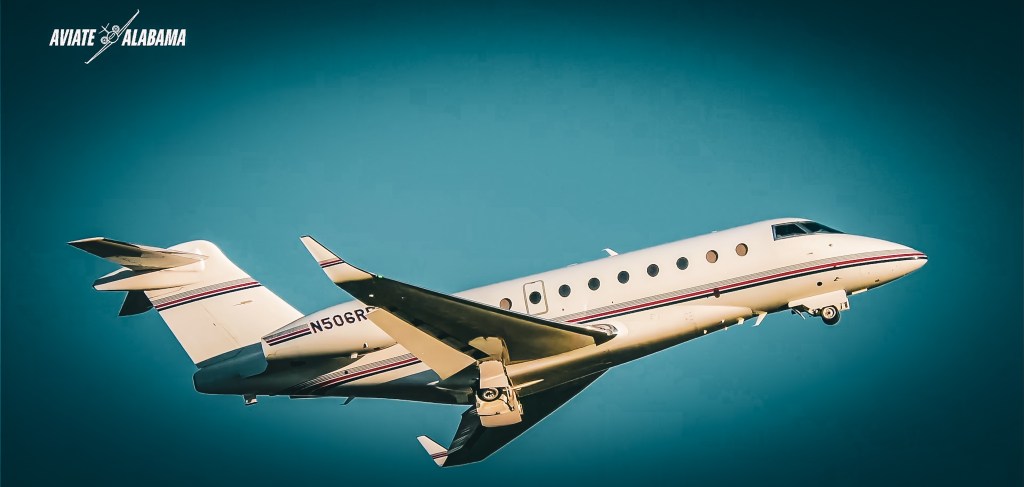


If the roar of an engine makes your heart race, plane spotting might just be your perfect pastime. This hobby allows enthusiasts to appreciate the mechanical marvels of aviation up close. It’s more than a hobby—it’s a community of like-minded individuals captivated by the beauty and precision of aircraft. Whether you’re watching a majestic 747 glide through the sky or the nimble maneuvering of a smaller plane, plane spotting offers endless excitement and discovery.
Getting Started with Plane Spotting
Plane spotting can be as simple or as sophisticated as you’d like. But how do you embark on this exciting venture?
Essential Gear for Plane Spotting
First, you’ll need some basic equipment. Binoculars are crucial if you want to observe details from afar, like the aircraft type or airline logo. A camera is essential for capturing your sightings. Many enthusiasts recommend a DSLR with a zoom lens for best results, but even a smartphone can work for beginners. To track flights, apps like FlightRadar24 are incredibly useful.
Choosing the Perfect Spot
Selecting the right location is key. Airports are the obvious choice, with designated viewing areas making it easier for enthusiasts. Researching ahead—using resources like Spotterguide.net—can inform you of the best spots around different airports. Timing matters too; you’ll get more traffic during peak hours.
Using Technology to Enhance Your Experience
Technology is a game-changer for plane spotting. Apps such as FlightRadar24 provide real-time flight data, helping you anticipate which aircraft to expect and when. Online communities and forums are treasure troves of insights and tips, offering everything from equipment recommendations to location advice.
Photography Tips for Plane Spotting
A big part of plane spotting is photography—capturing the beauty and power of these machines mid-flight.
Camera Settings for Optimal Shots
Understanding camera settings is critical. Adjust your shutter speed to freeze the motion, typically 1/1000s or faster. Aperture settings between f/8 and f/11 can keep the entire aircraft in focus, while a lower ISO helps reduce noise in bright daylight.
Composing the Perfect Shot
Composition matters as much as technical settings. Think about framing and angle to make your photos stand out. Try capturing unique details like the aircraft’s registration numbers or interesting lighting conditions.
Post-Processing Your Photos
Editing can enhance your images significantly. Software like Adobe Lightroom allows you to adjust lighting, enhance colors, and crop your images. These small tweaks can turn a good picture into a great one.
The Plane Spotting Community
Besides being a personal passion, plane spotting is also a shared experience.
Online Forums and Social Media Groups
Connecting online can enrich your hobby. Platforms like r/Planespotting and The Plane Spotters Community offer a space for sharing experiences, while social media groups expand this network even further.
Local Meetups and Events
Don’t underestimate local events. Many airports and local groups host meetups, providing great opportunities for networking and learning from seasoned spotters. Events like these can offer unique access and perspectives you wouldn’t get otherwise.
Conclusion
Plane spotting is more than just watching planes—it’s about experiencing aviation in all its glory. With the right gear, knowledge, and community, it transforms into a thrilling hobby. So, grab your camera and binoculars, pick a spot, and immerse yourself in the captivating world of plane spotting. There’s always something new to discover in the sky.