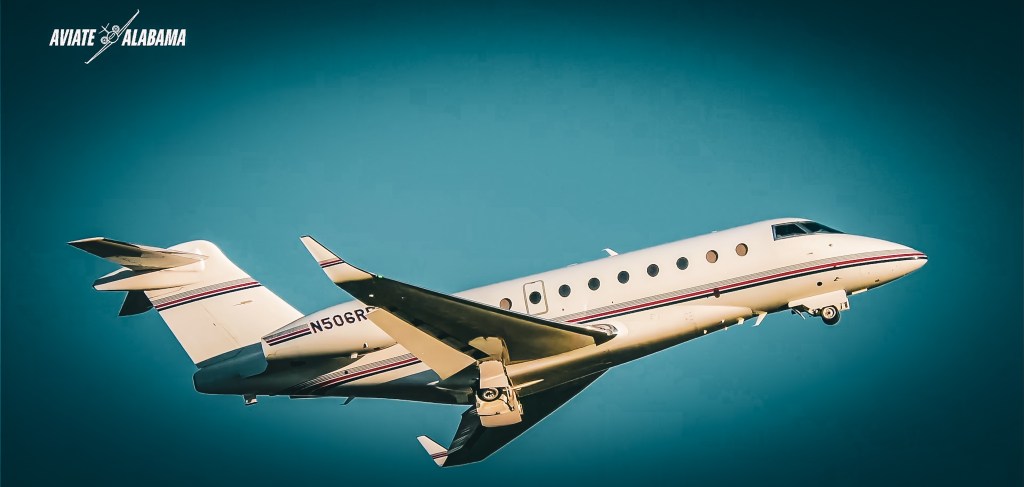



In the high-stakes world of the NASCAR Cup Series, the race doesn’t start on Sunday afternoon. It starts immediately after the checkered flag waves, with a frantic race to get home. For Hendrick Motorsports (HMS), moving hundreds of mechanics, engineers, and pit crew members across the country every week is a logistical feat that rivals the complexity of the cars they build.
At the center of this operation is a private “airline” that relies on the Embraer ERJ-145 to keep the team moving. Here is a deep dive into the Hendrick Motorsports fleet and why their switch to regional jets changed the game.
The Workhorses: The Embraer ERJ-145 Fleet
While team owner Rick Hendrick and star drivers like Chase Elliott or Kyle Larson often fly on smaller business jets, the “rank and file” of the team—the road crews—rely on a larger solution.
Historically, HMS utilized Saab 2000 turboprops to shuttle team members. However, in recent years, the team upgraded to the Embraer ERJ-145LR (Long Range). These aircraft act as the corporate shuttles, ferrying the armies of engineers, tire changers, and mechanics required to field four competitive Cup Series cars.
Key Specs of the HMS ERJ Fleet
- Aircraft Type: Embraer ERJ-145LR
- Primary Tail Numbers:
N508RHandN509RH(The “RH” suffix stands for Rick Hendrick). - Capacity: Configured for approximately 50 passengers.
- Range: Approx. 1,550 nautical miles (fully loaded).
- Cruising Speed: Mach 0.78 (approx. 500-530 mph).
Why the Switch? The Strategic Advantage of the ERJ
The transition from the Saab 2000 turboprops to the ERJ-145 jets was not just about luxury; it was a calculated decision based on recovery time and efficiency.
- Speed is Recovery: A flight from a West Coast track (like Las Vegas or Sonoma) to Charlotte, NC, is a long haul. The ERJ cuts travel time significantly compared to a turboprop. For a pit crew member who just performed physically demanding labor in 100-degree heat, saving 60 to 90 minutes in the air means getting to sleep earlier on Sunday night—and being fresher for the shop on Monday morning.
- Range Capabilities: The “LR” (Long Range) variant of the ERJ allows the team to reach more tracks non-stop. Fuel stops add time and complexity; the ERJ minimizes these interruptions.
- Reliability: As widely used regional airliners, parts and service for the ERJ-145 are readily available, ensuring the team rarely faces mechanical groundings that could jeopardize race weekend schedules.
The VIP Wing: Gulfstreams and Challengers
While the ERJs handle the heavy lifting, the Hendrick fleet includes lighter, faster jets for executive transport and driver logistics.
- The Flagship (N1RH): A Gulfstream G650ER. This is one of the world’s premier business jets, offering ultra-long range and high speed. It is primarily used by Rick Hendrick and top-tier executives.
- The Utility Players: The fleet also utilizes Bombardier Challenger 300s (e.g.,
N500RH,N511RH). These super-midsize jets are the perfect balance of runway performance and comfort, often used to transport drivers who may have sponsor obligations or media appearances separate from the main crew.
A Legacy of Safety
It is impossible to discuss Hendrick Motorsports aviation without acknowledging the tragedy that shaped its current culture.
On October 24, 2004, a Beechcraft King Air 200 owned by the team crashed into Bull Mountain near Martinsville, Virginia, killing all ten people on board. The victims included Rick Hendrick’s son (Ricky), his brother (John), and key engine builder Randy Dorton.
That accident involved a turboprop aircraft flying in heavy fog without modern terrain awareness systems. In the years since, HMS has revolutionized its aviation department:
- Standardization: The move to professional-grade jets like the ERJ and Gulfstream.
- Two-Pilot Protocols: Strict adherence to two-pilot operations with airline-level training standards.
- Safety Management Systems (SMS): Implementing rigorous risk assessment tools before every takeoff.
The Hub: Concord-Padgett Regional Airport (JQF)
If you want to see the “NASCAR Air Force” in action, look no further than Concord-Padgett Regional Airport (JQF), located just minutes from the Charlotte Motor Speedway and the HMS campus.
On race weekends, the tarmac at JQF is lined with the tail fins of the sport’s biggest teams. The Hendrick ERJs are a staple sight here, usually departing Thursday or Friday and returning late Sunday night, often landing in a convoy with planes from Joe Gibbs Racing and Team Penske.
Conclusion
The Hendrick Motorsports aviation department is a silent partner in the team’s success. By utilizing the Embraer ERJ-145, HMS ensures that the people who build and pit the cars are as rested and ready as the drivers who race them. In a sport where victory is measured in thousandths of a second, the speed and efficiency of the team’s air travel provide a competitive edge that starts long before the engines fire on Sunday.


Leave a Reply